
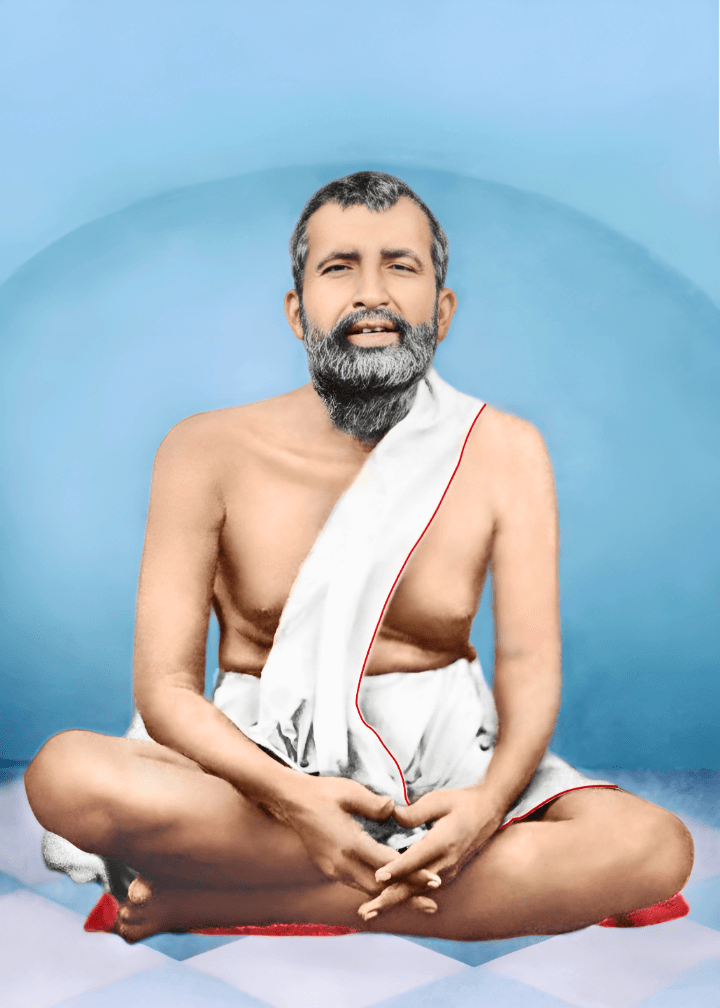
Sri Ramkrishna Paramhamsa Dev
Sri Ramakrishna (1836–1886), born in Kamarpukur, was a mystic and saint who emphasized direct experience of God over ritual or scholarship. From childhood, he displayed deep spiritual tendencies and later, as priest at Dakshineswar, immersed himself in devotion to Mother Kali, experiencing profound visions. Guided by several teachers, he practiced diverse spiritual paths, including Tantra, Vedanta, Islam, and Christianity, attaining realization through each. He declared, “As many faiths, so many paths,” promoting harmony of religions. Despite marriage to Sarada Devi, their relationship remained purely spiritual. Ramakrishna’s simple yet profound teachings, recorded in The Gospel of Sri Ramakrishna, attracted householders and young disciples like Swami Vivekananda, who spread his message globally. He emphasized purity, freedom from greed and lust, respect for women, service to humanity, and the divinity within all beings. Revered as a prophet of religious harmony, Ramakrishna bridged ancient wisdom with modern life, inspiring moral strength, pluralism, and the divinization of love.
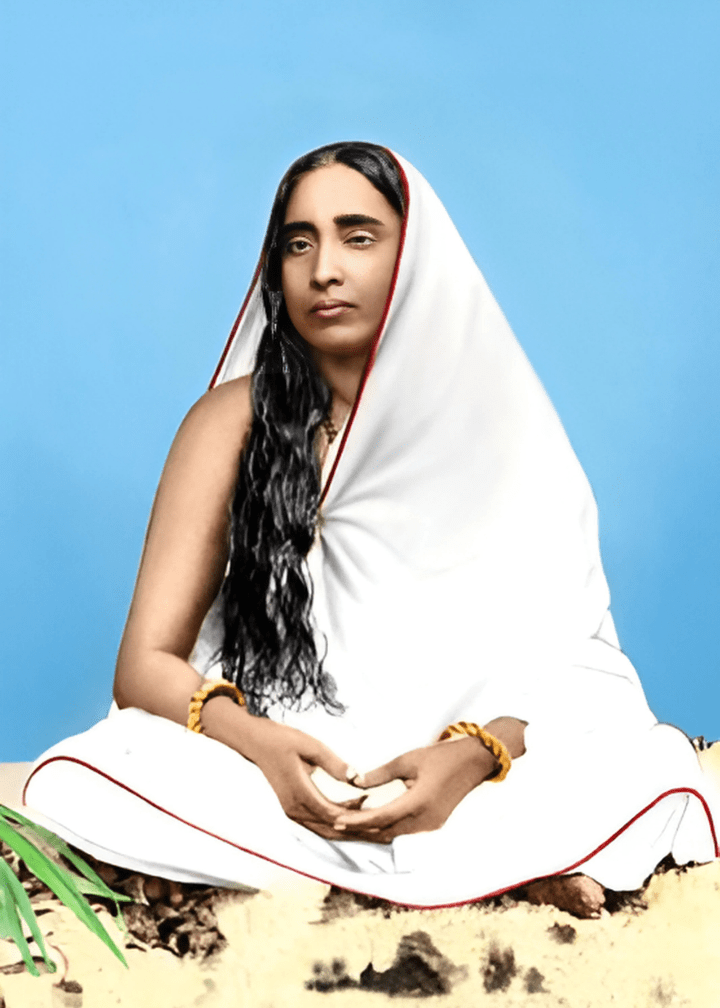
Holy Mother Sarada Devi
Sri Sarada Devi (1853–1920), endearingly known as the Holy Mother, was the spiritual consort of Sri Ramakrishna and later revered as the embodiment of universal motherhood. Born in Jayrambati, she lived a simple village life, devoted to God and household duties. Married to Sri Ramakrishna at a young age, their relationship remained purely spiritual. At Dakshineshwar, she served him with devotion and was worshipped by him as the Divine Mother, awakening her role as the Mother of all. After his passing in 1886, she guided the growing spiritual community, embracing seekers from all walks of life with unconditional love and compassion. Despite living in poverty and enduring hardships, she remained calm, selfless, and nurturing, even supporting Swami Vivekananda’s mission for women’s upliftment and social reform. Revered as the ideal woman for modern times, her life of purity, forbearance, and divine love continues to inspire. She passed away on 21 July 1920.
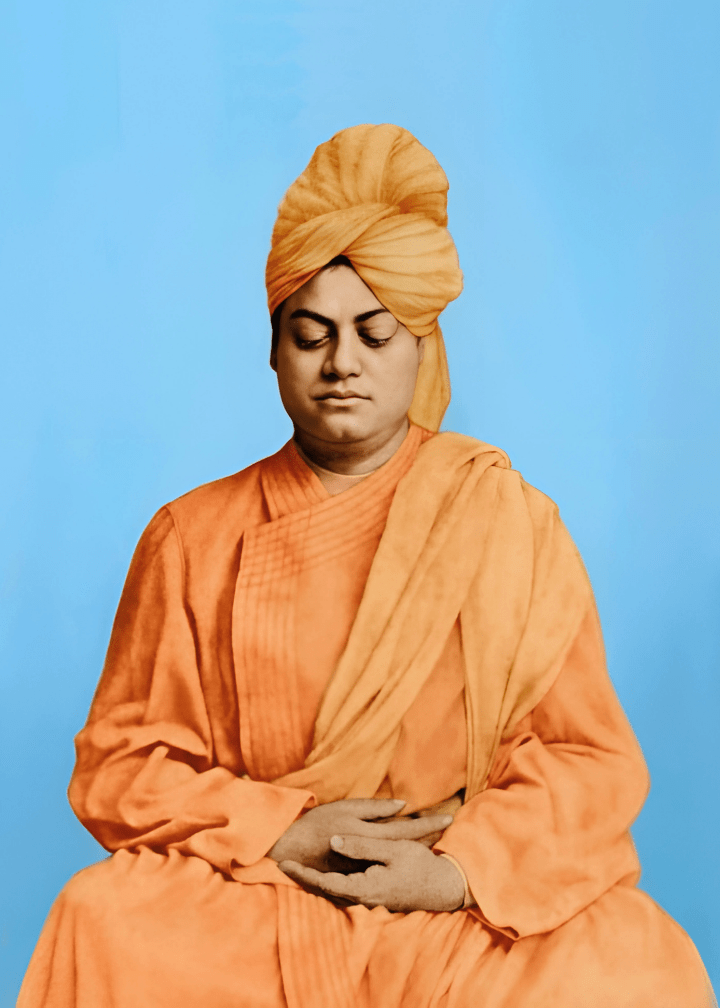
Swami Vivekananda
Swami Vivekananda (1863–1902), born Narendra Nath Datta, was a spiritual leader, philosopher, and social reformer who transformed India’s religious and cultural landscape. A brilliant student with a deep yogic temperament, his spiritual crisis ended after meeting Sri Ramakrishna, who assured him of God’s reality and guided him to spiritual realization. Following his father’s death and Sri Ramakrishna’s illness, Narendra led fellow disciples in forming a monastic brotherhood, which later evolved into the Ramakrishna Math and Mission.
In 1890, he journeyed across India, witnessing poverty and suffering, which inspired his mission of uplifting the masses through education, self-confidence, and Practical Vedanta. His historic address at the 1893 Parliament of Religions in Chicago earned him worldwide recognition as a voice of universal spirituality. In the West, he spread Vedanta, attracted disciples like Sister Nivedita, and bridged Indian and Western thought.
Returning to India in 1897, he emphasized national pride, service to the poor, and unifying Hinduism. At Belur Math, he established a modern monastic order blending renunciation with social service. His teachings on the potential divinity of man, spiritual humanism, and harmony of religions continue to inspire globally. Swamiji passed away on 4 July 1902, leaving a timeless legacy.
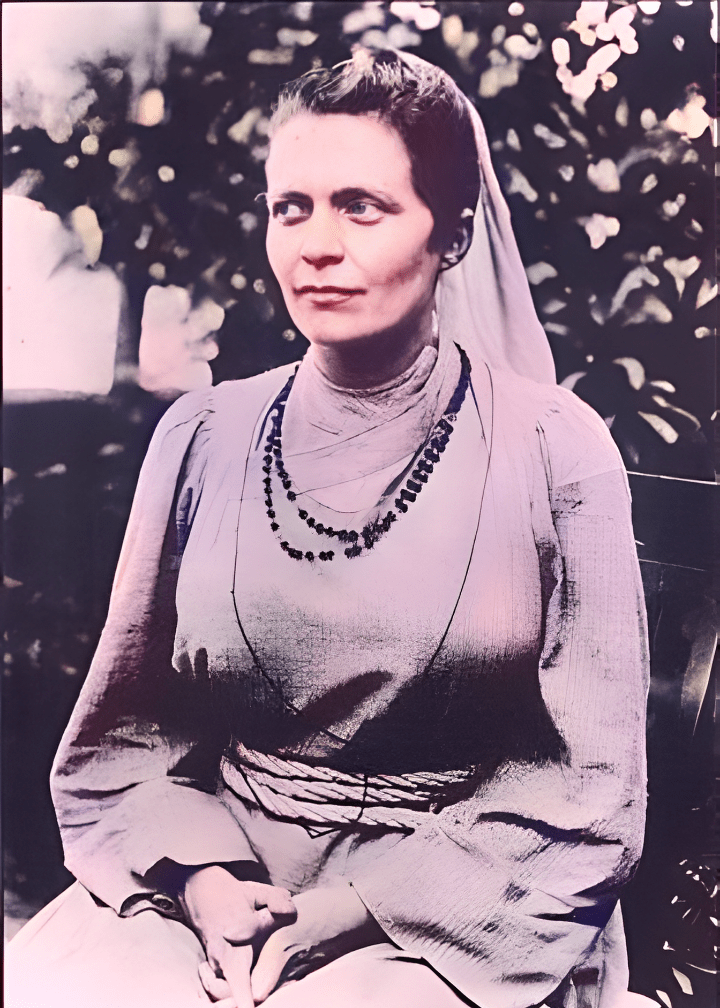
Sister Nivedita
Sister Nivedita (1867–1911), born Margaret Elizabeth Noble in Ireland, was a devoted disciple of Swami Vivekananda and a tireless champion of India’s spiritual and national awakening. Inspired by Swamiji’s call to serve humanity, she came to India in 1898 and was given the name “Nivedita,” meaning “The Dedicated One.” Settling in Kolkata, she founded a school for girls to provide both modern education and moral values, empowering them to realize their inner strength. Deeply patriotic, Sister Nivedita worked for India’s independence, supported science and art, and inspired many national leaders. Her life was a radiant blend of devotion, education, and service, making her a true bridge between East and West.
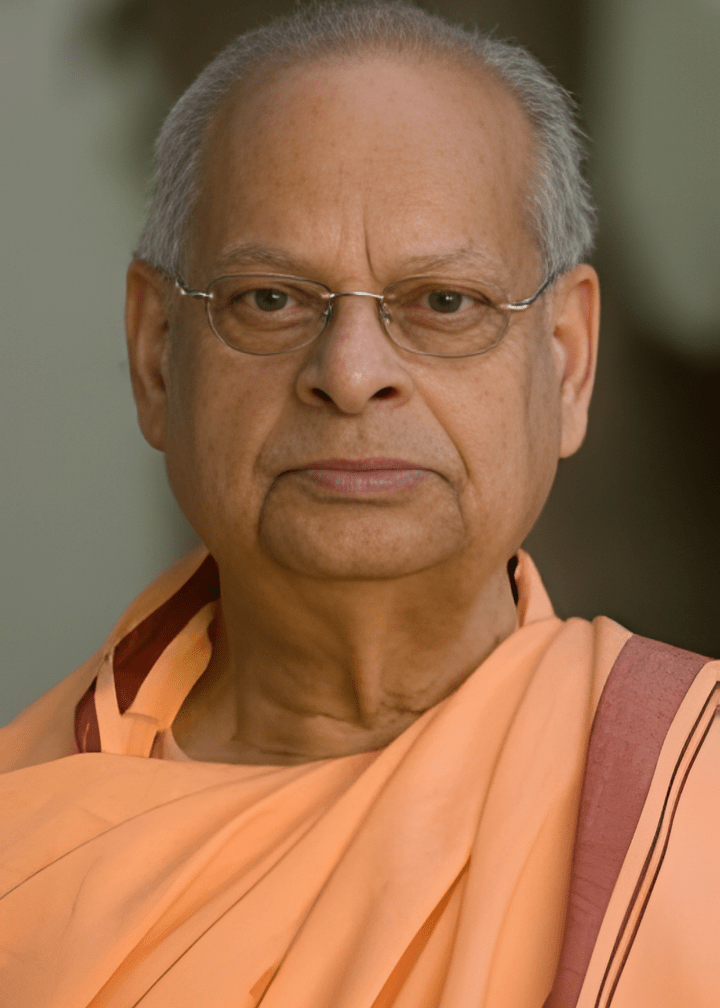
Swami Swahananda
Swami Swahananda Ji Maharaj (1921–2012) was a distinguished monk of the Ramakrishna Order, known for his wisdom, humility, and lifelong dedication to spreading Vedanta. Born in a small village in India, he joined the Ramakrishna Math at a young age and received his monastic vows from Swami Vijnanananda Ji Maharaj, a direct disciple of Sri Ramakrishna. A brilliant scholar and spiritual teacher, he served in various centres of the Order in India before moving to the United States, where he became the Head of the Vedanta Society of Southern California, Hollywood. Under his leadership, the Society flourished as a hub of spiritual learning and interfaith harmony. Swami Swahananda tirelessly preached the ideals of Sri Ramakrishna, Holy Mother Sarada Devi, and Swami Vivekananda, blending spirituality with practical service. His compassionate life and inspiring teachings continue to guide seekers across the world toward peace, wisdom, and selfless service.
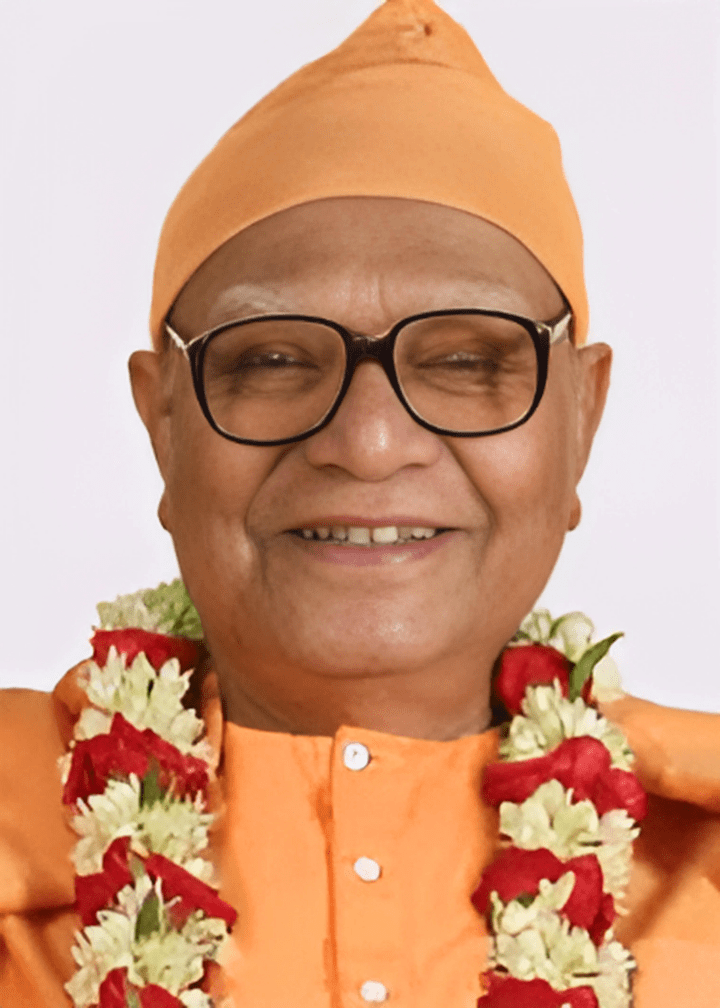
Swami Aksharananda
Swami Aksharananda Ji was the Head of Ramkrishna Math & Mission, Dhaka and Ramkrishna Ashrama & Mission, Narayanganj. He was initiated by Swami Virajananda Ji, the sixth President of the Ramkrishna Order.
He joined the order in the year 1950 at Pathuriaghata Ashrama (later moved to Narendrapur) and had Sanyasa by Swami Shankarananda Ji, the seventh President of the Ramkrishna Math & Mission in the year 1959. He was the head of both Dhaka and Narayanganj centres for 37 years. A source of inspiration and guidance for thousands of spiritual seekers, he tirelessly preached the message of Ramkrishna-Vivekananda for nearly four decades. He had given Mantra-Diksha to nearly 55,000 disciples. Swami Aksharananda Ji left his mortal body in the year of 2011. He is one of the biggest inspiration behind the foundation of our Ashram.
Khudiram Chattopadhyay
Khudiram Chattopadhyay (1775–1843), father of Sri Ramakrishna, was born in Derepur, West Bengal. Known for truthfulness, strict adherence to scriptures, and refusal to accept gifts from non-brahmins, he was widely respected. After marrying Chandramani Devi, he faced destitution when he refused to give false evidence for a local zamindar, losing ancestral property and relocating to Kamarpukur with his family. There, supported by friend Sukhlal Goswami, he lived simply, worshipping deities Sri Rama, Sitala Devi, and later Raghuvira, received through divine command. He also brought home a sacred Shiva linga from Rameswaram. Blessed through a vision at Gaya, he was foretold of Gadadhar’s (Sri Ramakrishna’s) birth in 1836. A devoted householder and pious man, Khudiram fathered several children, including Ramkumar, Rameshwar, Katyayani, and Sarvamangala. He passed away in 1843 at Selimpur village during Durga Puja, remembered for his integrity, devotion, and role as the father of a great saint.
Chandramani Devi
Chandramani Devi (Chandra Devi), the mother of Sri Ramakrishna, was born in Sarati Mayapur, Arambagh, and married Kshudiram Chattopadhyay at the age of eight as his second wife. Gentle, compassionate, and simple-hearted, she was known for her kindness and inability to keep secrets. At 45, after two sons and a daughter, she conceived Sri Ramakrishna, following mystical experiences, including a vision of light entering her body from a Shiva temple and a vision of Goddess Lakshmi. Widowed a few years later, she endured many sorrows, including the loss of her elder sons Ramkumar and Rameshwar. Spending her final twelve years at Dakshineswar, she lived near her son and witnessed his spiritual life with concern, once arranging his marriage in hopes of “curing” his divine ecstasies. She passed away on 13 February 1877, Sri Ramakrishna’s lunar birthday, remembered by him not as an ordinary mother but as a divine being who bore him.
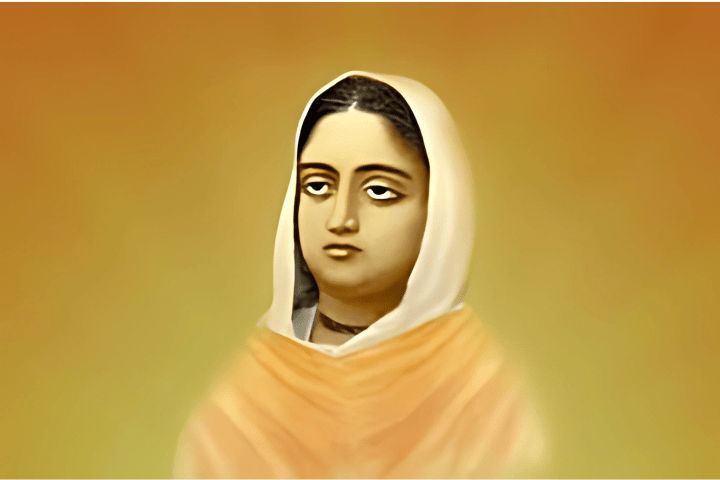
Rani Rashmoni
Rani Rashmoni (1793–1861) of Janbazar, Kolkata, was a remarkable woman who rose to prominence in a male-dominated society. Married at 11 to Babu Rajchandra Das, she was widowed early but overcame the tragedy with courage, taking charge of her zamindari and family business. With the support of her son-in-law Mathur Babu, she not only secured her estate but also championed public welfare. Bold and just, she confronted British authorities when necessary, famously blocking river traffic to protect fishermen’s rights. A visionary philanthropist, she funded ghats like Babughat, Ahirtola, and Nimtola, supported Hindu College and the Calcutta Public Library, and built roads for pilgrims. Her most enduring legacy was founding the Dakshineswar Kali Temple, where she appointed Sri Ramakrishna as priest. Known for her compassion, autonomy, and deep spirituality, Rani Rashmoni left behind a legacy of service and faith, inspiring generations to revere her as a true queen of the people.